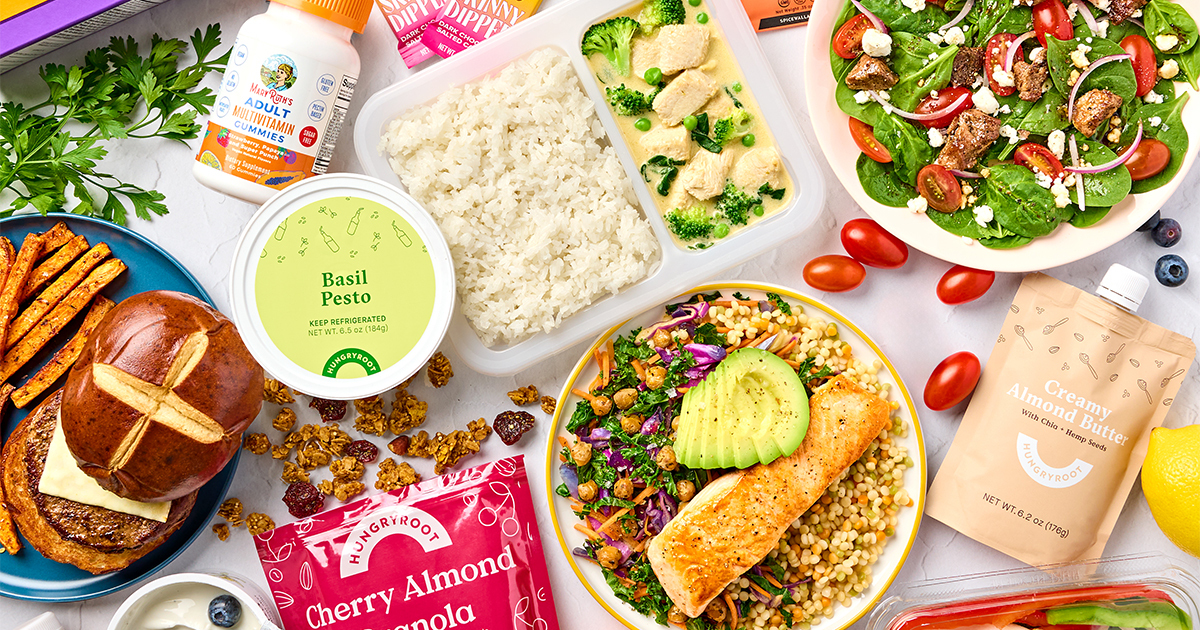
Meal Prep for Beginners: Unlock a Healthier, Happier Week
Ever find yourself staring into the fridge at 5 PM, completely devoid of inspiration for dinner? You're not alone. That daily scramble to decide, shop, and cook can feel like a second job, draining your precious time and mental energy. This is precisely where understanding how to meal prep becomes your secret weapon against weeknight chaos. For beginners, it’s not about spending your entire Sunday chained to the stove; it's simply about planning what you’ll eat, making a smart grocery list, and then setting aside a couple of focused hours to get a head start on the week’s food.
At its core, meal prepping is a system designed to give you back your most valuable resource: time. Imagine walking in the door after a long day, and instead of wrestling with takeout menus or a messy kitchen, a delicious, home-cooked meal is ready to go. That's the undeniable magic of having a plan. It transforms daily stress into seamless calm, allowing you to reclaim your evenings for activities you truly enjoy.
Why Learning How to Meal Prep Will Transform Your Week
Once you get into a groove with meal prepping, you’ll start noticing significant benefits that extend far beyond just having dinner ready. It’s a holistic approach that impacts your finances, your health, and your overall well-being. This isn’t about eating the same boring meal every day; it's about setting yourself up for a more organized, nourishing week.
Serious Savings for Your Wallet
One of the most immediate and tangible benefits of learning how to meal prep is the financial advantage. When you meticulously plan your meals, you buy only what you need. This sharpens your grocery budget, leading to fewer impulse buys at the store and dramatically less money spent on expensive takeout or restaurant meals. Studies consistently show that individuals who regularly cook at home save a significant amount on food expenses every month. By proactively deciding what to eat, you cut down on those last-minute, budget-busting decisions that often lead to unhealthy and costly choices. Think of the extra money you could save and put towards other goals!
Less Food Waste, More Sustainability
A solid meal prep plan means every ingredient you purchase has a specific job. No more discovering sad, wilted spinach languishing in the back of your crisper drawer, or half-used ingredients spoiling before you can incorporate them into another dish. When you master how to meal prep effectively, you utilize what you buy, which is a win-win for both your household budget and the planet. This conscious consumption reduces waste, making your kitchen more efficient and your lifestyle more sustainable.
Take Control of Your Nutrition for Healthier Eating
With nutritious meals prepped and ready to go, you are dramatically less likely to grab processed snacks, indulge in unhealthy cravings, or hit the drive-thru when hunger strikes. Meal prepping puts you in complete control of the ingredients, the portion sizes, and the cooking methods used in your food. This makes sticking to dietary restrictions, managing health goals, or simply eating more whole, unprocessed foods almost effortless. Whether you're aiming for weight management, increased energy, or just a generally healthier diet, having prepped meals makes it easy to make good choices consistently.
Reclaim Your Time and Mental Energy
The average person spends almost an hour every day just on cooking and cleanup. When you meal prep, you batch all that work into one focused session, perhaps on a Sunday afternoon. Suddenly, your weeknights are free for things you actually want to do, like hitting the gym, spending quality time with your family, or simply unwinding on the couch. This shift from daily grind to concentrated effort not only saves physical time but also significantly reduces decision fatigue. You get to make all your food decisions at once, when you're feeling fresh and not rushed, thereby freeing up mental bandwidth for other important tasks. To truly appreciate how much calm and time meal prep brings into your life, explore Banish Weeknight Chaos: How Meal Prep Brings Calm & Time.
Getting Started: Your Beginner's Guide to How to Meal Prep
The real secret to meal prep success isn’t about spending hours in the kitchen—it’s what happens before you even pick up a knife. A solid, thoughtful plan is the foundation for a week of easy, stress-free meals. Here’s a simple breakdown of how to meal prep for beginners:
Step 1: The Planning Phase
Before you even think about groceries, dedicate 15-30 minutes to planning.
- Assess Your Week: Look at your schedule. How many meals do you need? Do you need lunches, dinners, or both? Are there any special events or nights you'll be eating out?
- Start Small: Don't try to prep every single meal for the entire week from day one. Begin by prepping 2-3 lunches or dinners. This allows you to build confidence without feeling overwhelmed.
- Choose Simple Recipes: Opt for recipes with minimal ingredients, straightforward steps, and perhaps ones that can be scaled up easily. Think sheet pan dinners, simple grain bowls, or overnight oats.
- Create Your Menu: Decide what you'll eat for each prepped meal. Consider versatile components that can be mixed and matched to avoid boredom.
- Make a Detailed Grocery List: Based on your chosen recipes, write down every single ingredient you'll need. Check your pantry first to avoid buying duplicates.
Step 2: Smart Shopping
With your detailed list in hand, head to the grocery store.
- Stick to the List: This is crucial for both saving money and avoiding impulse buys.
- Shop the Perimeter: Focus on the outer aisles first, where fresh produce, meats, and dairy are typically located. These are often the core of healthy meal prep.
- Look for Sales: If a staple ingredient (like chicken breast or a certain vegetable) is on sale, adjust your meal plan slightly to incorporate it, saving even more.
Step 3: The Prep Session
This is where the magic happens, typically on a Sunday afternoon.
- "Mise en Place": Before you start cooking, do all your chopping, washing, and measuring. This streamlines the cooking process dramatically.
- Batch Cook Versatile Components: Focus on cooking ingredients that can be used in multiple ways. Think a big batch of quinoa or brown rice, roasted chicken or chickpeas, and a variety of roasted vegetables.
- Multitask Efficiently: While one item is roasting in the oven, you can be chopping vegetables for another dish or simmering grains on the stove.
- Embrace Simplicity: Don't overcomplicate things. Simple roasted vegetables and a protein can be seasoned differently throughout the week for variety.
Step 4: Assembly & Storage
Once everything is cooked, it’s time to put it all together.
- Portion It Out: Divide your prepped food into individual, airtight containers. This makes grab-and-go meals incredibly easy.
- Cool Properly: Allow hot food to cool down completely before sealing and storing it in the fridge. This is crucial for food safety.
- Label and Date: Use labels to clearly mark what each container holds and when it was prepared. Most prepped meals are good for 3-5 days in the refrigerator.
- Invest in Good Containers: Quality, airtight containers (glass or BPA-free plastic) are key to keeping food fresh and preventing leaks.
Common Meal Prep Styles for Beginners
There isn't one "right" way to meal prep. The best method for you depends on your preferences and how much variety you desire throughout the week.
- Component-Based Prep: This style involves cooking individual ingredients in bulk, such as roasted chicken, steamed broccoli, and brown rice. You then mix and match these components throughout the week to create different meals. It’s fantastic for those who crave variety and enjoy assembling their meals daily.
- Full Meal Prep: With this method, you prepare complete, ready-to-eat meals in individual portions. Think pre-assembled salad jars, protein and veggie boxes, or complete pasta dishes. This is ideal for busy individuals who need grab-and-go options and minimal effort during meal times.
- Partial Prep: If you still enjoy some daily cooking but want to cut down on prep time, partial prep is your friend. This involves doing the time-consuming tasks ahead of time, like chopping vegetables, making sauces, marinating proteins, or preparing dressings. You then finish the cooking process on weeknights, significantly speeding up meal creation.
Conclusion
Learning how to meal prep is more than just a kitchen hack; it's a powerful act of self-care. It’s a smart investment in your future self—a gift of time, health, and peace of mind that you’ll thank yourself for all week long. By adopting this simple yet transformative habit, you'll gain control over your nutrition, save money, reduce stress, and reclaim valuable hours in your week. Start small, find a style that works for you, and watch as meal prepping becomes an indispensable part of a healthier, happier lifestyle. For a deeper dive into the overall benefits, consider reading Meal Prep: Your Weekly Self-Care Investment for Health & Peace.
